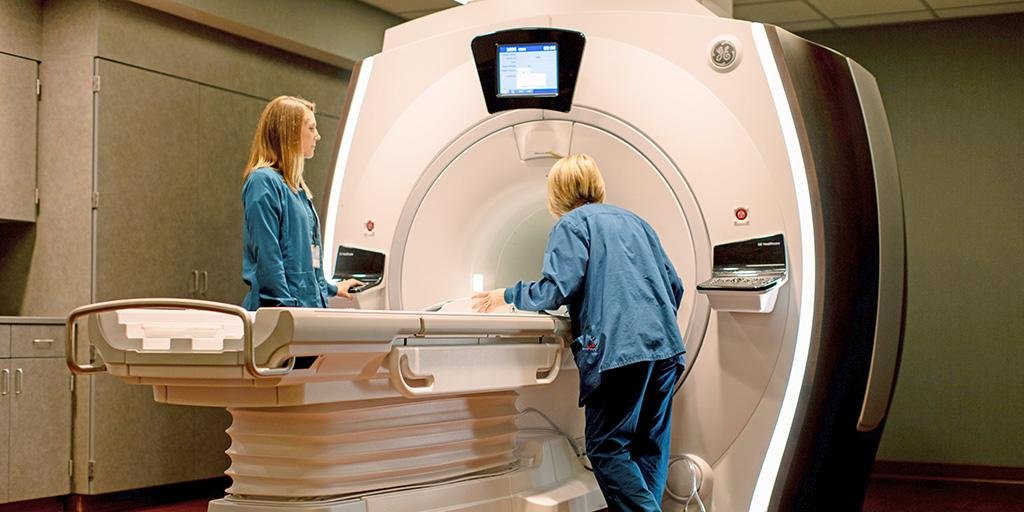
Maintaining patient safety and ensuring comfort during Magnetic Resonance Imaging (MRI) examinations requires a comprehensive strategy that combines strict safety protocols, effective patient communication, careful preparation, and continuous monitoring. MRI technology is one of the most valuable diagnostic tools available in modern healthcare, providing highly detailed images that assist physicians in diagnosing a wide range of medical conditions. As per Kasey McKillip, as MRI systems operate using powerful magnetic fields and radio-frequency energy, healthcare professionals must follow established procedures to protect patients while also creating a positive and reassuring experience.
Kasey McKillip Talks About How to Promote Safety and Enhance Patient Comfort Throughout MRI Examinations
A successful MRI examination depends not only on the technical performance of the equipment but also on the ability of healthcare providers to address the physical and emotional needs of patients. By implementing appropriate safety measures and patient-centered practices, healthcare facilities can improve image quality, reduce complications, and increase overall patient satisfaction.
One of the most important steps in ensuring MRI safety is conducting a detailed patient assessment before the procedure begins. Thorough screening allows healthcare providers to identify potential risks and determine whether any special precautions are necessary. This process serves as the foundation for a safe imaging experience and helps prevent complications that could arise from exposure to the MRI environment.
Effective communication plays a vital role in creating a safe and comfortable MRI experience. Many patients arrive for imaging examinations with limited knowledge of what the procedure involves, which can contribute to uncertainty and anxiety. Providing clear explanations before the scan helps patients feel informed, prepared, and more confident about the process.
Healthcare professionals should take the time to explain the purpose of the examination, the expected duration of the procedure, and the importance of remaining still throughout the scan. Patients benefit from understanding how MRI technology works and why specific instructions must be followed. When individuals know what to expect, they are generally more cooperative and less likely to experience fear or confusion during the examination.
Proper preparation contributes significantly to both safety and patient satisfaction. Providing comfortable, non-metallic garments helps patients feel at ease while ensuring compliance with safety standards. Comfortable clothing and a welcoming environment can reduce stress and promote a more positive outlook toward the procedure. Healthcare facilities can further improve patient comfort by introducing individuals to the imaging environment before the examination begins. Familiarizing patients with the scanning room, explaining the role of the technologist, and describing the equipment can help eliminate uncertainty. When patients understand the environment they are entering, they often feel more relaxed and confident.
As per Kasey McKillip, continuous monitoring throughout the MRI examination is another critical aspect of patient care. Even after thorough preparation, patients may experience discomfort, anxiety, or unexpected medical concerns during the procedure. Ongoing observation allows healthcare professionals to respond promptly to any issues that arise.
Monitoring is particularly important for patients with pre-existing medical conditions that may require additional attention during imaging. Individuals with cardiovascular, respiratory, or neurological concerns may benefit from closer observation to ensure their safety throughout the examination.